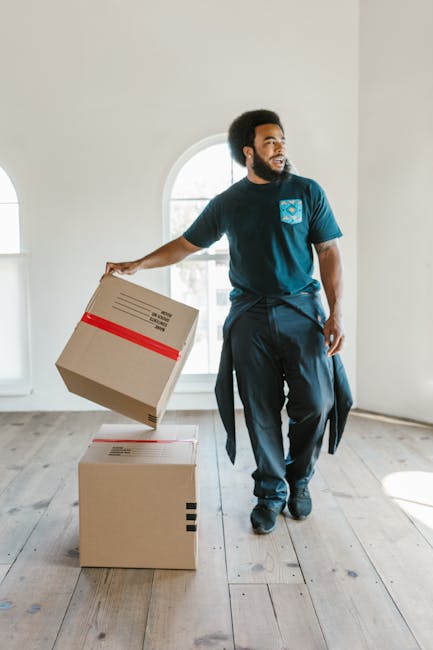
DIY Moving Versus Professional Removals: What to Choose
Deciding between DIY moving versus professional removals what to choose can feel like one of those jobs you keep putting off until the boxes are suddenly everywhere. One minute you are thinking, "We'll just hire a van and get it done," and the next you're staring at a sofa that will not fit through the hallway. Truth be told, the right choice is rarely about pride. It is about time, cost, risk, access, and how much stress you can realistically handle on moving day.
This guide breaks the decision down in plain English. You'll see when a DIY move makes sense, when a removals team is worth every penny, and how to judge the hidden costs people often miss. If you want a smoother move and fewer surprises, this should help you get there.
Why DIY moving versus professional removals what to choose Matters
The decision matters because moving is not just transport. It is logistics, lifting, timing, packing, access planning, and a fair bit of emotional pressure too. On paper, DIY moving often looks cheaper. In practice, the cheapest option is not always the least expensive once you add fuel, van hire, parking, packing materials, missed work, and the one item that gets damaged because it was heavier than it looked.
A professional removals service can remove a lot of that pressure. A DIY move gives you more control and can feel straightforward for smaller jobs. But if you underestimate the size of the move, the day can unravel quickly. You know the feeling: half the boxes are labelled, the kettle is packed somewhere unhelpfully safe, and the rain starts just as you load the mattress. Lovely.
What you are really choosing is where you want the pressure to sit. On your wallet, your time, your back, your schedule, or your nerves. Ideally not all five at once.
Practical takeaway: choose based on the size and complexity of the move, not just the headline price. The right answer changes if you are moving a studio flat, a family house, or a business premises.
How DIY moving versus professional removals what to choose Works
The two routes work in very different ways, even though they end with your things in a new place.
DIY moving
DIY moving usually means you organise everything yourself: packing, loading, transport, driving, unloading, and often the return of the van. You might use your own car for small items, hire a van for the day, or ask friends to help. It can work well if you have a short distance, fewer belongings, and decent access at both ends.
The real effort is often in the details. Furniture has to be protected. Fragile items need proper boxes. You need enough hands on the day, plus enough time to do multiple trips if needed. If you have stairs, narrow streets, or parking restrictions, the job becomes a lot more complicated than it first appears.
Professional removals
Professional removals mean a trained team handles some or all of the process. That can include packing, dismantling furniture, carrying heavy items, loading the van, transport, and unloading. Some people use a full-service move, while others choose a more basic removals package and do their own packing.
Good removal teams bring experience that saves time and reduces risk. They know how to stack a van, protect corners, manage awkward furniture, and make sensible decisions when access is tight. That is not glamorous, but it matters. A lot.
For broader services, many households also look at home moves, house removals, or a flexible man and van option when the move sits somewhere in between.
Key Benefits and Practical Advantages
There is no universal winner. Each option has real strengths, and the better choice depends on what you value most.
Why DIY can be a good fit
- Lower upfront cost: especially for smaller moves, a van hire and a few boxes may be enough.
- More control: you choose the timing, packing style, and loading order.
- Flexible pace: if you are not in a rush, you can spread the move over more than one trip.
- Simple for light loads: a bedsit, small flat, or student move can be manageable.
Why professional removals can be worth it
- Less physical strain: heavy lifting is handled by people who do it every day.
- Better time efficiency: a team can usually load and unload faster than a DIY crew.
- Reduced damage risk: experienced movers know how to protect furniture and fragile items.
- Less stress on the day: you can focus on keys, utilities, children, pets, or work handover.
The hidden advantage of a professional team is not just speed. It is calm. There is something reassuring about watching an experienced crew move a bulky wardrobe through a doorway without drama. No puffing, no guessing, no "we'll just tilt it and hope".
If you want extra support, services such as packing and unpacking services can reduce one of the most exhausting parts of the process. Packing is where many people lose time, then lose patience, then start using tea towels as improvised wrapping. Not ideal.
Who This Is For and When It Makes Sense
The best choice depends on your move type, your schedule, and how much help you already have.
DIY moving may suit you if:
- you are moving a small home, flat, or studio
- you have few heavy or fragile items
- the route is short and parking is straightforward
- you are comfortable with lifting and organising helpers
- you have time to pack carefully over several days
Professional removals may suit you if:
- you are moving a family home or a large number of items
- you have stairs, tight access, or awkward furniture
- you need to move quickly or on a strict date
- you want to reduce the risk of injury or damage
- you are also moving office equipment, trade tools, or bulky stock
For businesses, office moves usually lean towards professionals because downtime costs money. A late delivery of desks and monitors can throw the whole week off. In that setting, using office removals or office relocation services is often the more sensible route.
For households with a lot of furniture, the shift from DIY to professional help usually happens when you ask one simple question: do we really want to carry this down two flights of stairs ourselves? Sometimes the honest answer is no.
Step-by-Step Guidance
If you are deciding between DIY and professional removals, work through the decision in this order. It keeps emotions down and facts up.
- List everything you need to move. Include furniture, boxes, appliances, outdoor items, and anything awkward like mirrors or a bike.
- Estimate volume. A small flat and a four-bed house are not the same problem, even if both sound like "just a move".
- Check access at both ends. Think stairs, lifts, parking, permit zones, long walks from road to door, and doorway width.
- Decide what you can lift safely. If something needs two strong people and a prayer, maybe get help.
- Compare the real costs. Add van hire, fuel, boxes, tape, protective covers, and any time off work.
- Think about time pressure. If keys are changing at midday and you must be out by 10, DIY can get tight quickly.
- Request removals quotes early. Good planning gives you more options, and a better sense of value.
- Choose the service level you actually need. Full packing, loading only, furniture handling, or a simple man and van arrangement.
A useful rule of thumb: if the move feels manageable after the first honest spreadsheet, DIY may be fine. If the spreadsheet makes your shoulders tighten, that is probably your answer right there.
Expert Tips for Better Results
A good move is usually won before moving day. Small choices make a big difference.
Plan around access, not just distance
A short journey can be harder than a longer one if the property has bad parking or awkward stairs. In busy parts of London and other UK cities, parking and loading space can be the real bottleneck. Always check where the van can stop, not just how far the destination is.
Protect the fragile stuff properly
Use strong boxes, wrap breakables separately, and keep weight manageable. Overpacked boxes are a classic mistake. They split at the worst moment, usually on the doorstep when everyone is already tired.
Label rooms clearly
Simple labels make unloading far easier. Write the room and a brief contents note. "Kitchen - pans and mugs" is better than "misc". "Misc" is how moving day becomes a treasure hunt.
Reserve the heavy lifting for trained hands
If you have large sofas, wardrobes, American-style fridges, or anything expensive and awkward, professional help often pays for itself in peace of mind. For particularly tricky items, specialist pages like furniture pick up and movers can also be relevant depending on the job.
Keep a first-night bag separate
Pack kettle, chargers, medication, loo roll, snacks, basic toiletries, and a change of clothes in one bag. That little bag can feel like gold at 9 p.m. when everything else is still boxed up.
It sounds obvious, but people forget it constantly.
Common Mistakes to Avoid
Most moving problems are not dramatic disasters. They are small planning errors that snowball.
- Underestimating time: packing always takes longer than expected, especially if you are sorting as you go.
- Booking the wrong size van: one trip too many can turn a simple move into an all-day slog.
- Ignoring parking or access rules: if a van cannot stop nearby, everything takes longer.
- Not checking insurance: make sure you understand what is covered and what is not.
- Leaving packing to the last minute: rushed boxes are messy boxes.
- Assuming friends can lift anything: good friends help, but they are not a moving service.
- Forgetting disassembly tools: the right Allen key can save thirty minutes of frustration.
One small but common mistake is not thinking about waste and unwanted items before the move. If you clear out what you do not need, the job gets easier. A separate declutter plan can be a lifesaver. You may also find related advice helpful in a decluttering checklist before moving or a practical packing guide.
Tools, Resources and Recommendations
You do not need fancy kit for a move, but the right basics make life much easier.
Useful DIY moving tools
- strong cardboard boxes in mixed sizes
- packing tape and tape dispenser
- bubble wrap, paper, or blankets for fragile items
- marker pens and labels
- moving straps or trolleys for heavier items
- protective gloves and sturdy shoes
- blankets or covers for furniture edges
Useful professional move services
- Man and van: useful for smaller loads, single rooms, or a few bulky items.
- Removal van or truck: better for larger household moves and more furniture.
- Packing service: ideal if you are short on time or want expert wrapping.
- Specialist handling: needed for pianos, large mirrors, or other delicate heavy items.
If you are comparing options, it helps to understand service pages rather than just looking at the headline. A removal company may offer different levels of support, while a removal services page often gives a broader sense of what is included. For a transport-only approach, you might look at removal van options or a moving van if the load is modest.
If you are moving on a tighter budget but still want support, asking about pricing and quotes early can help you compare the real cost against DIY. No surprises. That is the dream, anyway.
Law, Compliance, Standards, or Best Practice
There are a few practical compliance points to keep in mind, especially in the UK.
First, if you are driving a hired van, make sure your licence covers the vehicle you intend to use and that you understand the hire company's terms. Van size, age restrictions, deposit rules, and insurance cover can all vary. It sounds boring until you realise you are standing at the counter at 7 a.m. trying to explain why you thought "a van is a van".
Second, make sure parking and loading are handled properly. In many areas, local parking controls or temporary restrictions can affect the move. You do not need to become an expert, but you do need to check whether the van can legally stop close enough to the property.
Third, ask about insurance and liability. Reputable removal firms should be clear about cover, exclusions, and what you need to declare about fragile or high-value items. If you are moving valuables, keep important documents, jewellery, and personal essentials with you rather than in the van.
Best practice also includes safe lifting, clear access routes, and sensible packing. The health and safety policy and insurance and safety information are useful pages to review if you want to understand how a professional operator approaches risk and responsibility. For greener moving choices, a recycling and sustainability approach can help reduce waste from cartons, packing materials, and unwanted items.
One more thing: if a company has clear terms, transparent communication, and decent process pages, that is usually a good sign. Not a guarantee, of course, but a good sign.
Options, Methods, or Comparison Table
Here is a simple side-by-side comparison to help you decide faster.
| Factor | DIY moving | Professional removals |
|---|---|---|
| Upfront cost | Usually lower | Usually higher |
| Time needed | Often longer | Usually faster |
| Physical effort | High | Low for the customer |
| Damage risk | Higher if inexperienced | Lower with experienced teams |
| Convenience | Moderate to low | High |
| Best for | Small, simple, short moves | Large, complex, time-sensitive moves |
If you want the simplest possible answer: DIY works best when the move is small, close, and uncomplicated. Professional removals make more sense as soon as the move becomes heavy, time-pressured, or physically awkward. That is the honest version.
Case Study or Real-World Example
Consider a typical two-bedroom flat move on a wet Saturday morning. There are boxes, a bed frame, a sofa, a dining table, and a few delicate kitchen items. The route is not far, but parking is tight and the flat is on the second floor. At first glance, DIY seems manageable. Hire a van, rope in two friends, and crack on.
Then reality arrives. The van is a little smaller than expected. The sofa needs to be angled awkwardly in the stairwell. One of the boxes tears because it was overpacked with books. By mid-afternoon, everyone is tired and the new place still has half the furniture sitting in the hallway. It is not a disaster, but it is a long, draining day.
Now imagine the same move with a professional removals team. The crew arrives with the right equipment, loads efficiently, protects the furniture, and manages the awkward parts without a fuss. The customer still has to coordinate keys and utilities, but the physical strain is far lower. The move is not magically effortless, but it is contained. That is the difference many people notice after the fact.
For larger homes, the gap is even clearer. For smaller moves, though, DIY can be perfectly sensible. The trick is being honest about which situation you are actually in, not the one you hope you are in.
Practical Checklist
Use this before you decide.
- List every large item you need to move.
- Check access at both addresses, including stairs and parking.
- Estimate whether one vehicle trip will be enough.
- Decide how many helpers you truly have, not how many you wish you had.
- Compare van hire, fuel, boxes, and time off work against removals quotes.
- Check whether any fragile, heavy, or valuable items need specialist handling.
- Review insurance, liability, and service terms.
- Pack a first-night bag with essentials.
- Label boxes by room and priority.
- Arrange utilities, keys, and access before moving day.
If you can tick most of these without feeling overwhelmed, DIY may be fine. If not, professional help probably deserves a serious look.
Conclusion
Choosing between DIY moving and professional removals is really about matching the move to your life, not forcing your life to fit the move. If the job is small, the distance is short, and you have time plus help, DIY can work well. If the move is larger, heavier, more delicate, or simply too important to get wrong, a professional removals service is often the smarter call.
The best decision is the one that gives you control without exhausting you. That balance is different for everyone. And that is okay.
Use the move you have, not the move you imagine. Then choose the option that makes moving day feel like a task you can handle, not a battle you have to survive.
Get a free quote today and see how much you can save.
When you are ready, a quick quote request can turn guesswork into clarity, and honestly, that alone can make the whole process feel lighter.
Frequently Asked Questions
Is DIY moving always cheaper than professional removals?
Not always. DIY often has a lower upfront price, but once you add van hire, fuel, packing materials, parking costs, and time off work, the gap can shrink. If you also need extra trips or help with heavy furniture, professional removals can become better value than expected.
What size move is suitable for DIY?
Small moves are usually the easiest DIY candidates, such as a studio flat, one-bedroom flat, or a few bulky items. Once you have multiple large appliances, lots of stairs, or a full family home, the job becomes much harder to manage alone.
How do I know if I need a removals company?
If the move includes awkward access, heavy furniture, fragile items, or a strict deadline, a removals company is worth considering. It is also a good option if you want less physical effort and a lower chance of damage.
Is a man and van service the middle ground?
Yes, often it is. A man and van service can be a practical middle option for smaller house moves, single-item transport, student moves, or partial loads. It offers more help than DIY without the scale of a full removals team.
What should I check before hiring a van for DIY moving?
Check the vehicle size, licence requirements, insurance cover, fuel policy, deposit, and whether there are mileage or timing limits. You should also make sure the van can legally park close enough to your property for loading and unloading.
How far in advance should I book professional removals?
As early as you can, especially if you are moving at a busy time such as a weekend or month-end. Early booking gives you more choice, better planning, and less last-minute pressure.
Do removal teams pack everything for you?
Some do, some do not. Services vary a lot. Some companies offer full packing and unpacking, while others only provide transport and loading support. Always check exactly what is included before booking.
What if I only need help with heavy furniture?
That is a common situation. You might not need a full removals package, but you may still want help moving sofas, wardrobes, beds, or appliances. In those cases, a flexible removals or man and van option can be a sensible compromise.
Are professional removals safer for fragile items?
Usually yes, especially when the team has experience with careful wrapping, stacking, and loading. That said, no move is risk-free. Fragile items still need proper packing and clear labelling.
Can I combine DIY packing with professional transport?
Absolutely. Many people pack themselves and hire professionals for the heavy lifting and transport. This can save money while still reducing the stress and physical effort on the day.
What is the biggest mistake people make when choosing DIY over removals?
The biggest mistake is underestimating the size and complexity of the move. A job that looks simple on a quiet evening can feel very different on moving day, especially when weather, parking, or tiredness gets involved.
How do I compare quotes fairly?
Make sure each quote includes the same basics: loading, transport, unloading, packing if needed, insurance details, and any extra charges for stairs, long carries, or waiting time. That way you compare like for like, which is the bit people often miss.