Office Removals in Ireland
If you are planning an office move, you already know it is never just about shifting desks from one place to another. It is about keeping your business moving, protecting equipment, reducing downtime, and making sure staff can settle into the new workspace without unnecessary stress. That is why Office Removals in Ireland need a practical, organised approach that suits local buildings, business parks, city centres, and regional commercial premises.
Whether you are moving a small office, a growing team, a professional practice, or a larger corporate space, the right removal service can make a major difference. In Ireland, office moves often involve narrow streets, shared entrances, lift bookings, loading bay access, parking restrictions, and tight time windows. A local team understands these realities and can plan accordingly, helping everything run more smoothly on moving day.
This page is designed for businesses looking for a dependable office moving solution in Ireland. It explains what is usually included, how the process works, what affects the cost, how to prepare, and why using a local removal company can save time and reduce disruption. If you are ready to organise your move, contact us today or request a free quote to start planning your relocation.
Professional Office Moving Services for Irish Businesses

Office relocation is a specialist job. It involves handling furniture, IT equipment, files, archive storage, kitchen items, meeting room contents, and often delicate items such as printers, monitors, and telecoms hardware. A proper office removals service is set up to deal with this kind of work efficiently and carefully.
For many businesses, the biggest concern is downtime. Every hour away from normal operations can affect staff productivity, customer service, and business continuity. A well-planned move can reduce those interruptions by using a structured schedule, coordinated packing, and clear labelling so that the right items end up in the right room at the new location.
Local office removal specialists across Ireland also understand the challenges that can come with urban and suburban moves. In Dublin, Cork, Galway, Limerick, Waterford, and other busy centres, access can be limited by traffic, narrow entrances, stairs, or shared parking. In business parks or industrial estates, there may be loading rules or building management requirements. A local team can work around these conditions more effectively.
What Office Removals in Ireland Typically Include

Every office move is different, but most professional services are built around a similar set of core tasks. These usually begin with planning and continue through packing, transport, unloading, and basic reinstallation support.
Typical office removal services may include:
- Site assessment and move planning
- Disassembly and reassembly of desks, chairs, and office furniture
- Packing of files, stationery, and non-sensitive equipment
- Safe handling of IT, monitors, printers, and peripherals
- Transport between offices, units, floors, or business parks
- Loading and unloading at both locations
- Placement of items in the correct rooms or zones
- Support with archive, storage, or phased moves where needed
Some businesses also need help with internal moves, such as reconfiguring a floorplan, shifting departments, or relocating teams within the same building. Others need a full commercial relocation to a different town or county. The right service should be flexible enough to handle both small and large projects.
It is worth asking what is included before booking. That way, you can make sure the move covers the level of assistance your business needs, whether that means a simple transport-only job or a more hands-on relocation with packing and furniture handling.
Why Local Knowledge Matters for Office Removals
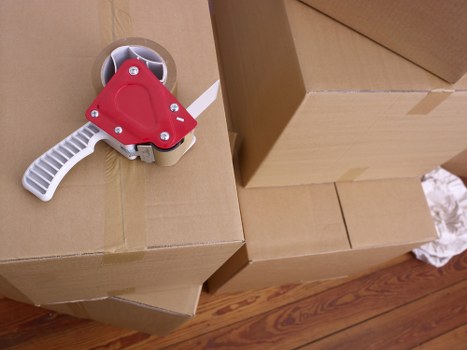
Choosing a local company for office removals in Ireland is about more than convenience. Local knowledge can make the whole process less stressful because the team understands the practical details that affect commercial moves every day.
For example, moving from a city-centre office in Dublin may require early access, careful parking arrangements, and coordination with building management. A relocation from a suburban office in Blanchardstown, Sandyford, or Tallaght may involve different access rules, wider roads, or shared unit entrances. An office move in Cork city, Galway, or Limerick may have its own traffic patterns, loading constraints, and route considerations. A team familiar with these local conditions can plan with more confidence.
There is also the matter of property types. Irish businesses operate from converted houses, modern offices, coworking spaces, retail units, industrial estates, and mixed-use buildings. Some offices are in older premises with stairs, smaller lifts, or tighter corridors. Others are in newer developments with service lifts and strict booking windows. A local removals team is more likely to be used to these differences and can prepare the right equipment and labour accordingly.
Office Removals for Different Business Types

Office moves are not one-size-fits-all. The needs of a solicitor’s office, a medical practice, a design agency, a tech company, or a public-facing administration office can be very different. A good removal service should adapt to the size, layout, and sensitivity of your business operations.
Common customers include:
- Small offices moving from home-based setups or shared workspaces into dedicated premises
- Professional firms such as accountants, solicitors, consultants, and financial services teams
- Growing businesses that need a bigger space or a more efficient layout
- Established companies relocating departments, branches, or head office functions
- Commercial tenants moving in or out at the end of a lease
- Start-ups and coworking users upgrading to private offices
For each of these, the move needs to be handled with care and speed. Office equipment may be expensive, confidential files must be treated appropriately, and staff often need a quick return to normal working conditions. A removal team that understands office logistics can help keep the transition under control.
In many cases, the move is easiest when it is broken into stages. That might mean moving non-essential items first, handling IT and sensitive materials separately, and completing the main relocation outside normal trading hours or over a weekend.
How the Office Moving Process Usually Works

A clear process helps reduce confusion and keeps the move on track. While every project is different, most office removals follow a similar sequence from initial enquiry to final placement.
1. Initial discussion
You explain the size of your office, the current location, the destination, the timing, and any access concerns. This helps shape the removal plan.
2. Move assessment
A local team may review the property details, access points, floor levels, parking options, and the amount of furniture or equipment involved. This step is particularly useful for larger offices or locations with limited access.
3. Planning and scheduling
A move date or phased schedule is arranged. The aim is to reduce disruption and make sure the right staff, vans, and equipment are available at the right time.
4. Packing and preparation
Items are labelled, boxed, and grouped by department or room. Furniture may be disassembled where necessary, and fragile items are given extra protection.
5. Moving day
The team loads items safely, transports them to the new premises, and places them according to the agreed plan.
6. Set-down and reassembly
Furniture is reassembled where included, and items are placed in the correct areas so staff can return to work as quickly as possible.
7. Final checks
A final walk-through can help confirm that important items have been delivered and that nothing has been overlooked.
Preparation Checklist Before Your Office Move
Good preparation makes office relocations much easier. The more organised your team is before moving day, the faster the process tends to be. It also helps protect equipment and reduce confusion once you arrive at the new premises.
Useful preparation tasks include:
- Assigning one internal person or small team to coordinate the move.
- Making a list of all furniture, equipment, and files that need moving.
- Deciding what should be moved, recycled, shredded, or left behind.
- Notifying staff of the move date, timing, and packing instructions.
- Labeling desks, boxes, and rooms clearly.
- Backing up important data before any IT equipment is moved.
- Checking lift access, loading areas, and parking permissions at both sites.
- Arranging utilities, internet, and telecoms setup for the new office.
- Separating confidential documents for secure handling.
- Booking any building access or management approvals in advance.
It is also a good idea to prepare a simple floor plan for the new office. This helps movers place desks, boxes, and equipment in the right place from the beginning, which saves time during unpacking and reduces the risk of items being moved multiple times.
For a smoother move, start early. Even a small office can have more items than expected once storage cupboards, archives, and shared equipment are included. Early planning gives you more control over the project and helps avoid last-minute problems.
Handling IT Equipment, Files, and Sensitive Items
Office removals often involve more than furniture. Many businesses rely on computers, monitors, servers, filing systems, printers, scanners, and other equipment that needs careful handling. In some workplaces, there are also confidential records, client files, or sensitive internal documents that must be managed properly.
IT and equipment considerations may include:
- Labeling cables and components before disconnecting them
- Backing up files and confirming data protection steps
- Using protective wrapping for screens and fragile electronics
- Keeping sensitive devices separate from general furniture
- Planning the order of installation at the new premises
- Coordinating with your internal IT provider if needed
For files and archives, a labelled box system is usually best. Boxes can be grouped by department, room, or user, which makes them easier to place on arrival. Some businesses also prefer to move archived material separately, especially if it is bulky or stored in long-term storage.
Confidentiality matters in office relocations. A professional local company should handle sensitive business items carefully and keep the moving process organised so that documents and equipment remain traceable throughout the job.
Commercial Moves, Internal Relocations, and Business Changes
Not every project is a full office-to-office move. Many customers need help with internal relocations, phased moves, or business changes that require furniture and equipment to be shifted as the company grows or restructures.
Examples include moving a department to another floor, reorganising open-plan desks, creating meeting areas, relocating storage cabinets, or clearing space for refurbishment works. Some businesses need evening or weekend moves so their operations can continue with minimal interruption during the week.
Businesses that are scaling up may also need to split moves into stages. For instance, one section might move first while another remains operational. This kind of phased approach can work well in Ireland’s busy commercial centres, where timing, access, and staff continuity are all important. It is one of the reasons many companies prefer a local removals team that can adapt quickly and respond to changes in the schedule.
Pricing Factors for Office Removals in Ireland
While exact prices vary from job to job, it helps to understand the main factors that influence the overall cost of an office move. This makes it easier to compare quotes and choose a service that matches your needs.
Common pricing factors include:
- The size of the office and the amount of furniture to be moved
- The number of floors, lifts, stairs, and access challenges involved
- The distance between the old and new premises
- Whether packing, dismantling, or reassembly is required
- The amount of heavy, fragile, or specialist equipment
- Timing requirements, such as evenings, weekends, or short notice
- Whether the move is local, county-to-county, or cross-country
- Any need for phased moves, storage, or additional manpower
In many cases, a site visit or detailed move discussion helps produce a more accurate quote. This is especially useful for offices with narrow access, awkward layouts, or a large volume of archive storage. If your office is in a busy area such as Dublin city centre, Cork city, or another built-up location, mention parking and loading restrictions early so they can be considered properly.
Request a free quote once you have your move details ready. The more information you can share, the easier it is to plan the right service.
Why Choose a Local Company for Office Removals in Ireland
A local removals company is often a smart choice for commercial customers because it brings practical benefits that matter on the day. You are not just hiring transport; you are hiring local experience, route awareness, and familiarity with the type of buildings and access points common in Irish towns and cities.
Key benefits of a local office removal team:
- Better understanding of traffic, parking, and loading conditions
- More suitable planning for city-centre and suburban business locations
- Flexible scheduling to suit office hours and business needs
- Experience with Irish commercial properties and building layouts
- Faster communication during the planning stages
- Practical support for small, medium, and larger office moves
Local knowledge is especially valuable when dealing with busy roads, delivery restrictions, and access challenges near offices in town centres or mixed-use developments. It is also useful when the move involves nearby areas such as South Dublin, North Dublin, Cork suburbs, Galway city districts, Limerick outskirts, or regional business parks where timing and loading arrangements can vary from site to site.
Choosing a team that knows the area can help avoid delays and reduce stress. That matters when your staff, clients, and deadlines all depend on the move being completed efficiently.
Areas Covered Across Ireland
Office removals are needed throughout the country, from major urban centres to regional towns and commuter areas. Businesses often relocate between city office districts, business parks, retail-adjacent units, and standalone commercial premises.
Common service areas may include Dublin and surrounding commuter locations, Cork and nearby business zones, Galway and its urban and suburban offices, Limerick and its commercial estates, Waterford, Kilkenny, Wexford, Sligo, Athlone, Dundalk, Navan, Tralee, Ennis, Naas, and other towns where businesses regularly move premises or expand into larger spaces.
If your move involves a local transfer within the same town, a county move, or a relocation to another part of the country, a professional office removals service can help organise the process. Many businesses also move between offices and storage units, or from temporary premises into permanent locations. The most important thing is to choose a team that can match the scale of the move to your needs.
Practical Tips to Reduce Downtime
Most businesses want the same thing: to keep disruption as low as possible. A carefully managed move can help you reopen quickly and keep staff productive. While the removal team handles transport, there are several practical steps that can help reduce downtime further.
Helpful ways to minimise disruption:
- Plan the move outside peak working hours where possible.
- Move non-essential items before the main relocation.
- Keep a small set of essential supplies separate for day one.
- Label departments, desks, and boxes clearly.
- Prepare the new office layout in advance.
- Arrange internet, utilities, and access before move day.
- Keep staff informed about what they need to pack and when.
Some companies also choose to move in stages over several days. This can be especially helpful when office operations must continue while the relocation is underway. Phased moves are common for larger teams, but they can also work well for small businesses with important deadlines or public-facing services.
Book your service now if your move date is approaching. The earlier the process begins, the easier it is to coordinate a smooth relocation.
Frequently Asked Questions
How far in advance should I arrange an office move?
It is best to start as early as possible, especially if your office is large, has difficult access, or needs to move outside normal business hours. Even smaller office removals benefit from advance planning so packing, access, and scheduling can be arranged properly.
Can office removals be done outside working hours?
Yes, many businesses prefer evening or weekend moves to reduce disruption. This depends on the size of the job, the building access, and the agreed schedule with your removal team and property management if applicable.
Do I need to pack everything myself?
Not always. Some companies prefer to pack their own documents and personal items, while the removal team handles furniture and transport. Others want a more complete service with packing support. It depends on how much help you need and how quickly you want the move completed.
What happens to heavy office furniture?
Large desks, cabinets, shelving, and tables may need to be dismantled before moving and reassembled afterwards. Let the removals team know in advance about any oversized or awkward items so the right equipment and labour can be planned.
Can sensitive files and equipment be moved safely?
Yes, provided they are packed and labelled properly. Confidential items should be separated from general contents, and IT equipment should be backed up and prepared before the move. Clear organisation makes a big difference.
What if my office is in a building with limited parking or lift access?
That is very common in Ireland, especially in city centres and older commercial buildings. A local team can plan around loading restrictions, stair access, and lift bookings to keep the move manageable.
Can you help with a small office move?
Absolutely. Small offices often need just as much care as larger ones, especially if there is expensive equipment or limited time to complete the move. The service can be scaled to suit your office size.
Make Your Move Easier with the Right Support
Office relocations are easier when the project is handled by people who understand the realities of commercial moving in Ireland. From tight city access and office park loading rules to the handling of furniture, files, and equipment, the details matter. Choosing a local office removal service means you can plan with greater confidence and keep your business moving.
Whether you are relocating within the same building, moving to a new town, or expanding to a larger commercial space, the right removal team can help you stay organised from start to finish. If you are preparing for an office move, now is the time to take the next step.
Contact us today to discuss your office move, request a free quote, and book a service that suits your schedule. A well-planned relocation can save time, reduce stress, and help your business settle into its new premises with less disruption.
Ready to plan your office move?
Start with a simple discussion about your current office, your destination, and your preferred moving date.
Then let the moving plan be built around your business needs.
Office removals in Ireland should feel organised, practical, and tailored to the way local businesses operate. That is exactly what the right local service should deliver.